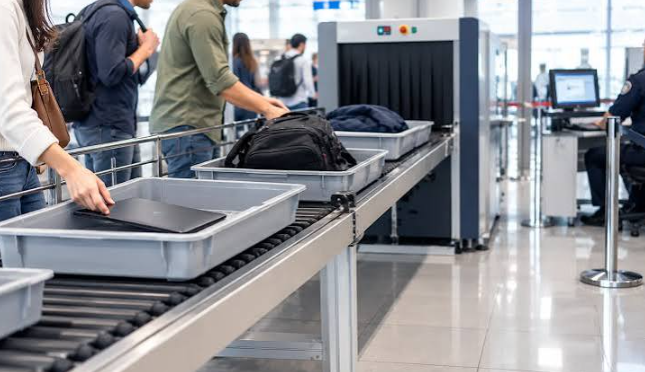
Vehicle and cargo screening helps security teams check what is entering a site before it reaches sensitive areas. A layered approach combines perimeter controls, imaging, detection tools, and connected sensors to identify potential threats while keeping people and goods moving.
Security screening starts at the perimeter
The first security decisions happen at the entrance. Staff need to confirm who is arriving, which vehicles are authorized, and whether a delivery should proceed to a screening area. Clear procedures at this stage can help prevent unauthorized access and reduce congestion deeper inside a facility.
Vehicle inspection with cameras and sensors
Vehicle inspection equipment can combine cameras, license-plate or container-code recognition, and under-vehicle surveillance with imaging systems. These tools give operators information about a vehicle’s identity and visible condition before or during a more detailed inspection. Non-invasive scanners can also examine trucks, passenger vehicles, containers, and other cargo without opening every load.
Fixed scanners suit established checkpoints with regular traffic, while relocatable, mobile, or wheeled systems can support facilities that need flexible screening locations. The right configuration depends on traffic volume, available space, the types of vehicles being checked, and the site’s operating procedures.
See also: How Water Purifier Service Management Software Simplifies RO Installation, AMC and Repair Services?
Barriers, gates, and access control
Physical barriers and controlled gates help direct vehicles into the correct lanes and prevent them from bypassing inspection. Access-control systems can check credentials and record entry events, while trained staff resolve alerts or exceptions. These measures work best when the layout makes the screening process clear and leaves enough room for vehicles to wait safely.
Scanners reveal threats hidden from view
Visual checks can identify obvious concerns, but they cannot show everything inside a sealed container or concealed compartment. Imaging and detection technologies add another layer of information, helping trained operators decide whether a vehicle or item needs further examination.
X-ray and millimeter-wave imaging
X-ray systems create images of cargo and vehicles that can help reveal concealed objects, dense materials, or unusual arrangements. Some systems use dual-energy imaging or backscatter techniques to provide different views of the contents. Fixed, mobile, and drive-through options can be selected according to the checkpoint and the flow of traffic.
Millimeter-wave imaging is another screening method used in security settings, particularly for detecting objects concealed on a person. It serves a different purpose from cargo X-ray inspection, so a site should choose technologies based on the specific screening task rather than treating them as interchangeable.
Explosives and chemical detection
An explosive detection system may use trace detection to identify minute residues collected from surfaces such as baggage, clothing, or cargo. Some trace detectors use Ion Mobility Spectrometry and are available in desktop or handheld formats. Raman spectrometers can identify certain substances, including explosives, narcotics, liquids, and industrial chemicals, from a sample without consuming it in the process.
These tools can support screening at airports, ports, border crossings, transport hubs, and other sensitive sites. Their results should be interpreted by trained personnel and considered alongside the inspection context. Product descriptions alone do not establish detection performance, so organizations should review independent evidence, operating requirements, and applicable standards before selecting equipment.
Sensors connect the dots across a site
Screening is more useful when information from different points can be considered together. A site may combine gate records, camera observations, vehicle identifiers, scanner findings, and alerts from detection devices. Connecting these sources can help staff recognize inconsistencies, such as a vehicle arriving at an unexpected entrance or a delivery that does not match its recorded details.
Integration should support clear decisions rather than create more alerts than staff can manage. Teams need defined procedures for reviewing flagged items, escalating concerns, documenting outcomes, and keeping systems available. Regular testing and maintenance also matter, since unreliable equipment can undermine confidence in the entire screening process.
Screening systems balance speed, safety, and privacy
High-volume sites must inspect people, vehicles, and goods without creating unnecessary delays. Lane design, staffing, equipment placement, and clear instructions all affect throughput. Screening plans should also provide safe waiting areas and procedures for stopping or redirecting vehicles when a concern arises.
Privacy and data handling deserve attention from the start. Organizations should limit access to screening images and records, retain them only as long as needed, and explain how information is used. They should also assess the impact of each technology on workers and visitors, and make sure staff know how to operate it responsibly.
A practical security plan combines physical access controls with appropriate imaging, detection, and monitoring tools. By matching each system to a defined task and reviewing its performance in real operating conditions, a facility can strengthen screening while keeping procedures proportionate and manageable.