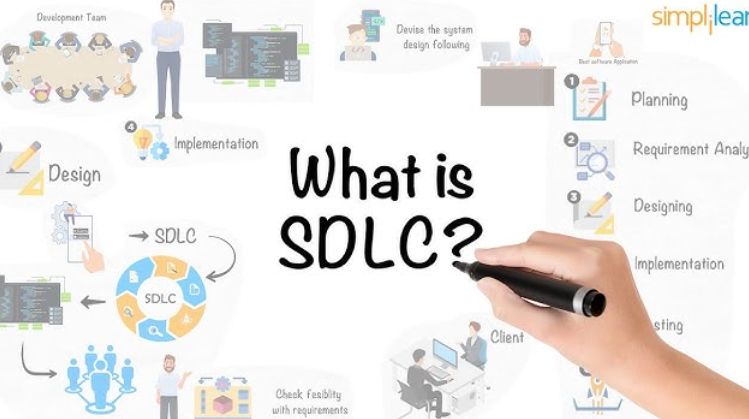
The field of software development is characterized by a structured approach to designing and implementing applications. It involves a variety of methodologies, notably the Software Development Life Cycle (SDLC), which outlines critical phases such as requirements gathering and deployment. Understanding the intricacies of programming languages and tools is essential. As developers navigate these complexities, the importance of collaboration and adherence to best practices becomes evident. What factors truly influence the success of these projects?
Understanding Software Development Life Cycle
Although the software development life cycle (SDLC) encompasses various methodologies, its core phases remain crucial for delivering high-quality software products.
Requirements gathering serves as the foundation, ensuring that developers fully understand user needs.
Subsequently, the testing phases are essential for identifying and resolving defects, fostering collaboration among teams.
This structured approach ultimately drives the successful delivery of software that meets user expectations and enhances satisfaction.
See also: Introduction to Quantum Computing
Key Programming Languages and Tools
When embarking on software development, selecting the appropriate programming languages and tools is critical, as these choices significantly influence project outcomes.
Python frameworks, such as Django and Flask, offer flexibility and efficiency, while JavaScript libraries, including React and Angular, enhance user interface development.
Understanding these resources allows developers to create robust, scalable applications that meet diverse user needs and preferences effectively.
Essential Concepts and Terminology
A solid foundation in essential concepts and terminology is vital for navigating the complex landscape of software development.
Key terms such as code debugging and version control facilitate effective collaboration among developers. Understanding these concepts empowers individuals to address issues systematically and track changes efficiently, enhancing both project outcomes and personal growth.
Mastery of this lexicon fosters a more liberated, innovative development environment.
Best Practices for Successful Software Projects
Understanding key concepts and terminology lays the groundwork for implementing effective strategies in software projects.
Utilizing agile methodologies enhances flexibility and responsiveness, fostering collaboration among team members.
Regular code reviews serve as a critical practice, ensuring quality and consistency while promoting knowledge sharing.
Conclusion
In the intricate tapestry of software development, each thread—ranging from the meticulous phases of the Software Development Life Cycle to the vibrant palette of programming languages—intertwines to create a cohesive masterpiece. As developers navigate this landscape, employing essential concepts and best practices acts as a guiding compass. Ultimately, the collaborative spirit, akin to a well-tuned orchestra, harmonizes diverse skills and perspectives, culminating in software that not only functions effectively but resonates with its users, illuminating their needs.