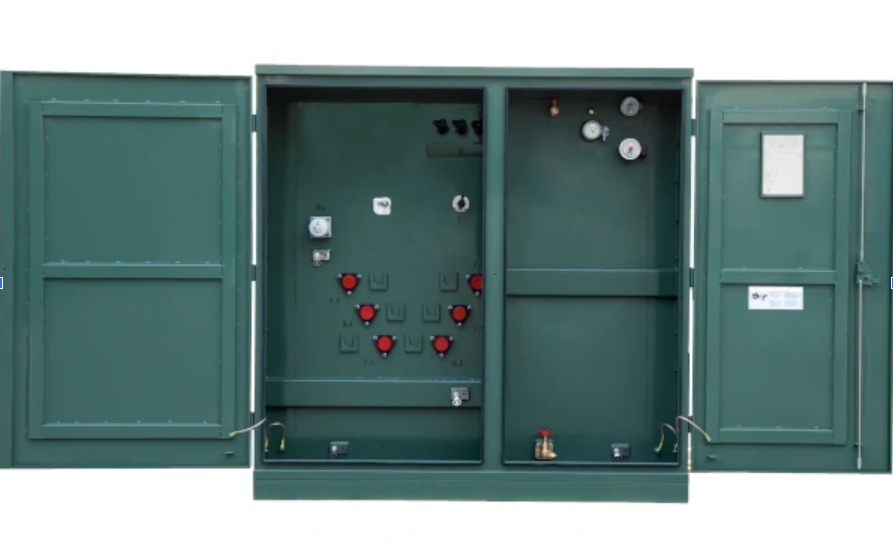
The correct grounding of power transformers is essential for electrical safety, system stability, and equipment longevity. Among different transformer configurations, delta transformers present unique grounding challenges because they often operate without a direct neutral reference.
Improper grounding can lead to circulating currents, overvoltages, equipment damage, and safety hazards. Understanding common errors and their practical solutions is critical for engineers, electricians, and facility managers working with industrial and commercial power systems.
This guide explains the most frequent mistakes in grounding delta transformer systems and how to prevent them effectively.
Understanding Delta Transformer Grounding Basics
Delta-connected transformers have windings connected in a closed loop, forming a triangle. Unlike wye configurations, there is no inherent neutral point available for grounding. Grounding must therefore be implemented intentionally through specific methods such as corner grounding, center tap grounding, or grounding transformers.
Key grounding objectives in delta systems include:
- Providing a stable reference to earth
- Limiting transient overvoltages
- Enabling fault detection and protection operation
- Improving personnel safety
- Controlling insulation stress
Because delta systems can operate ungrounded, high resistance grounded, or solidly grounded depending on design, mistakes often occur when these methods are misunderstood or misapplied.
Mistake 1: Assuming Delta Systems Do Not Need Grounding
One of the most widespread misconceptions is that delta transformers can operate safely without any grounding. While ungrounded delta systems were historically common in industrial settings, modern safety standards emphasize controlled grounding.
Why this is a problem
Ungrounded delta systems allow the system to continue operating during a single line to ground fault. However, this creates several hidden risks:
- Overvoltages on healthy phases during ground faults
- Difficulty detecting the fault location
- Increased insulation stress
- Higher probability of a second fault leading to phase to phase short circuit
How to avoid it
Evaluate system requirements and protection philosophy before choosing grounding type. In most modern installations, high resistance grounding or corner grounding is preferred over fully ungrounded operation to ensure predictable fault behavior.
Mistake 2: Incorrect Corner Grounding Implementation
Corner grounding involves grounding one phase of the delta winding. It creates a reference to earth while maintaining delta characteristics. However, improper implementation is common.
Typical errors
- Grounding the wrong phase relative to system design
- Failing to label grounded phase conductors
- Using incorrect protection settings
- Mixing grounded and ungrounded equipment connections
These mistakes can cause confusion during maintenance and create shock hazards because one conductor is intentionally at ground potential.
How to avoid it
When using corner grounded delta systems:
- Clearly identify the grounded phase in drawings and labeling
- Ensure protective devices are rated for corner grounded systems
- Train maintenance staff on conductor identification
- Maintain consistent phase orientation across the installation
Mistake 3: Missing or Improper Grounding Transformer Use
When a neutral reference is needed on a delta system, grounding transformers such as zigzag or wye delta grounding transformers are used. A common mistake is omitting them when required or installing them incorrectly.
Consequences
Without a grounding transformer where one is required:
- Ground faults may not be detected
- Protection relays may not operate
- Transient voltages increase
- System becomes unstable during faults
Improper connection of zigzag windings or neutral grounding resistors can also negate the intended grounding effect.
How to avoid it
Always analyze whether the system requires a neutral reference for protection schemes. If so:
- Use properly rated zigzag or grounding transformer
- Verify neutral resistor sizing
- Confirm connection polarity and phase relationships
- Test grounding impedance after installation
Mistake 4: Incorrect Neutral Grounding Resistor Selection
High resistance grounding is widely used with delta systems through grounding transformers. The neutral grounding resistor limits fault current to a safe value. Incorrect sizing is a frequent issue.
Problems caused by wrong resistor values
- Excessive fault current damaging equipment
- Insufficient current preventing relay operation
- Thermal failure of resistor
- Nuisance tripping or undetected faults
How to avoid it
Resistor selection must consider:
- System voltage
- Desired ground fault current
- Protection relay sensitivity
- Duration rating
Engineering calculations and manufacturer data should always guide resistor specification rather than rule of thumb selection.
Mistake 5: Multiple Ground Points in Delta Systems
Ground loops occur when more than one grounding point exists in a system intended to have a single reference. In delta transformer systems this is especially problematic.
Effects of multiple grounds
- Circulating currents
- False ground fault detection
- Voltage imbalance
- Heating in conductors and transformers
This often happens when downstream equipment adds unintended grounding connections.
How to avoid it
Maintain a single designated system ground reference. During installation and maintenance:
- Audit all grounding connections
- Isolate equipment grounds from system ground where required
- Verify insulation in control circuits
- Check cable shields and surge protection devices
See also: Proactive Monitoring for Reliable Data Pipeline Health
Mistake 6: Ignoring Ferroresonance Risk in Ungrounded Delta
Ferroresonance is a nonlinear resonance phenomenon that can occur in ungrounded or lightly grounded delta systems, especially with voltage transformers and long cables.
Risks
- Severe overvoltage
- Equipment insulation failure
- Voltage transformer damage
- Nuisance protection operation
It is often triggered during switching or single phase events.
How to avoid it
Mitigation strategies include:
- Providing system grounding
- Using damping resistors
- Avoiding single phase switching
- Using three phase voltage transformer banks instead of single units
Understanding ferroresonance susceptibility is essential when designing delta systems.
Mistake 7: Improper Protection Relay Configuration
Ground fault protection in delta systems depends heavily on grounding method. Applying wye based protection assumptions to delta systems leads to errors.
Common relay mistakes
- Incorrect residual current sensing method
- Wrong pickup settings
- Ignoring grounding impedance
- Using inappropriate relay type
This may result in either failure to trip during faults or nuisance tripping.
How to avoid it
Protection settings must align with grounding method:
- Corner grounded delta uses phase overcurrent protection
- High resistance grounded delta uses sensitive ground fault relays
- Ungrounded delta uses voltage based detection
Coordination studies should include grounding impedance and transformer configuration.
Mistake 8: Poor Documentation and Labeling
Delta grounding schemes are less intuitive than wye systems. Lack of documentation leads to long term errors.
Consequences
- Maintenance mistakes
- Incorrect connections during expansion
- Safety hazards
- Misinterpretation of test results
Many incidents occur years after installation when original designers are unavailable.
How to avoid it
Maintain clear records:
- Grounding diagrams
- Ground resistor specifications
- Grounding transformer details
- Phase identification
- Protection settings
Permanent labels at transformers and switchgear are essential.
Mistake 9: Inadequate Testing of Grounding System
Grounding systems are often assumed correct after installation without verification.
Risks
- Hidden open circuits in grounding path
- Incorrect impedance
- Miswired grounding transformer
- Fault detection failure
These issues only appear during actual faults.
How to avoid it
Commissioning tests should include:
- Grounding impedance measurement
- Primary injection tests
- Relay operation verification
- Ground fault simulation
- Continuity checks
Periodic re testing is recommended during maintenance cycles.
Mistake 10: Mixing Delta and Wye Grounding Practices
In facilities with multiple transformer types, confusion arises when delta systems are treated like wye systems.
Typical confusion areas
- Neutral grounding assumptions
- Protective device selection
- Fault current expectations
- Measurement methods
This leads to incorrect engineering decisions and unsafe operation.
How to avoid it
Ensure personnel understand transformer configuration differences:
- Delta has no inherent neutral
- Grounding is artificial
- Fault behavior differs from wye
- Protection philosophy must match configuration
Training and design reviews help prevent cross configuration mistakes.
Best Practices for Reliable Delta Transformer Grounding
To minimize grounding errors in delta systems:
- Select grounding method during system design stage
- Maintain single intentional ground reference
- Use correctly rated grounding transformers and resistors
- Align protection schemes with grounding type
- Label grounded conductors clearly
- Document grounding philosophy and settings
- Perform commissioning and periodic tests
- Train maintenance personnel on delta grounding behavior
These practices ensure safety, protection, reliability, and long term system stability.
Conclusion
Grounding in delta transformer systems requires deliberate engineering decisions rather than default practices. Many grounding problems arise from misconceptions, incorrect component selection, or inconsistent implementation. Because delta systems lack a natural neutral reference, grounding methods such as corner grounding or high resistance grounding must be carefully designed and maintained.
Avoiding common mistakes like multiple grounds, incorrect resistor sizing, poor relay configuration, and missing grounding transformers significantly improves safety and protection performance. With proper design, documentation, and testing, delta transformer grounding can operate reliably and safely in modern electrical power systems.