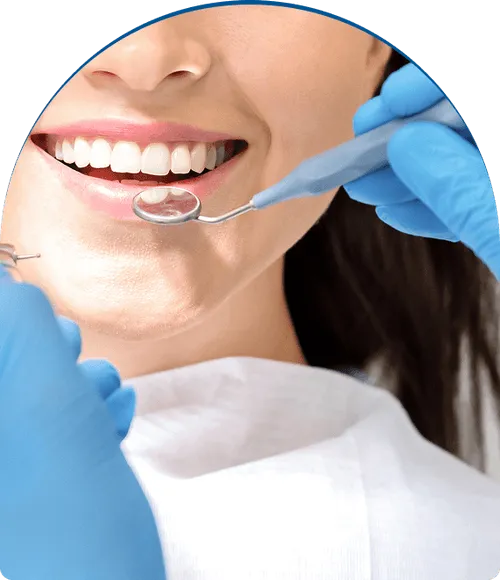
Many adults believe fluoride treatments are only necessary for children. However, professional fluoride treatment can also provide important benefits for adult oral health. Fluoride helps strengthen tooth enamel, reduce sensitivity, and protect teeth from cavities and decay. As people age, enamel naturally weakens, making preventive dental care even more important.
Adults searching for information about fluoride treatment often want to know whether it truly works and if it is worth including in their dental care routine. Understanding how fluoride protects teeth and supports long term oral health can help patients make informed decisions about preventive dentistry.
Patients interested in cosmetic smile improvements may also visit a teeth whitening dentist to improve the appearance of stained or discolored teeth while maintaining strong enamel.
What Is Fluoride Treatment?
Fluoride treatment is a preventive dental procedure that helps strengthen the outer layer of the teeth known as enamel. Fluoride is a natural mineral that supports enamel remineralization and helps protect teeth against acid attacks caused by bacteria and food particles.
Professional fluoride treatments contain a higher concentration of fluoride than regular toothpaste or mouth rinses. These treatments are typically applied in a dental office during routine preventive visits.
Professional fluoride treatment may help:
- Strengthen enamel
- Prevent cavities
- Reduce tooth sensitivity
- Slow early tooth decay
- Protect exposed tooth roots
Fluoride treatment is considered an important part of preventive dental care for both children and adults.
How Fluoride Works to Protect Teeth
Tooth enamel is constantly exposed to acids from food, beverages, and oral bacteria. Over time, these acids can weaken enamel and increase the risk of decay. Fluoride helps rebuild weakened enamel by supporting the remineralization process.
When fluoride is absorbed into the tooth surface, it makes enamel more resistant to future acid damage. This added protection helps reduce the likelihood of cavities and enamel erosion.
Benefits of Fluoride Treatment for Adults
Professional fluoride treatment offers several benefits for adults, especially those at higher risk for cavities or enamel damage. Many patients choose fluoride treatment as part of their long term preventive care routine.
Strengthening Tooth Enamel
Fluoride helps strengthen and protect enamel against daily wear and acid exposure. Strong enamel plays a major role in maintaining healthy teeth and preventing decay.
Benefits of stronger enamel may include:
- Improved cavity resistance
- Reduced enamel erosion
- Better protection from acidic foods
- Lower risk of tooth decay
- Increased tooth durability
Healthy enamel also supports long term oral comfort and function.
Helping Prevent Cavities and Tooth Decay
Even adults with good oral hygiene can still develop cavities. Fluoride treatment helps reduce the risk of decay by strengthening vulnerable areas of the teeth.
Preventive fluoride care may be especially helpful for adults who:
- Have a history of cavities
- Consume sugary or acidic foods frequently
- Experience dry mouth
- Have gum recession
- Wear dental restorations
Reducing cavity risk can help patients avoid more extensive dental treatments in the future.
Reducing Tooth Sensitivity
Many adults experience tooth sensitivity caused by enamel wear or exposed tooth roots. Fluoride can help reduce sensitivity by strengthening weakened areas of the teeth.
Patients often notice less discomfort when eating or drinking:
- Hot foods
- Cold beverages
- Sweet foods
- Acidic drinks
- Frozen desserts
Fluoride treatment may improve comfort during daily activities and oral hygiene routines.
Who Should Consider Fluoride Treatment?
Fluoride treatment can benefit many adults, particularly those with specific oral health concerns or increased cavity risk.
Adults at Higher Risk for Cavities
Certain conditions and lifestyle factors may increase the likelihood of tooth decay. Adults with these risk factors often benefit from additional enamel protection.
Higher cavity risk may be linked to:
- Poor oral hygiene
- Frequent snacking
- Dry mouth
- Smoking
- Existing dental work
Professional fluoride applications help provide additional defense against decay and enamel damage.
Patients With Sensitive Teeth
Fluoride treatment may help adults who experience tooth sensitivity caused by enamel loss or gum recession. Strengthening enamel can help reduce irritation and improve daily comfort.
Some patients seeking treatment for enamel concerns may also explore dental fluorosis treatment to improve tooth appearance while maintaining enamel health.
Common Myths About Fluoride Treatment
There are many misconceptions about fluoride treatment for adults. Understanding the facts can help patients make more confident decisions about preventive dental care.
Is Fluoride Only for Children?
One of the most common myths is that fluoride only benefits children. While fluoride is important during tooth development, adults also benefit from enamel protection throughout life.
Adults continue to face risks such as:
- Tooth decay
- Enamel erosion
- Gum recession
- Sensitivity
- Dry mouth related decay
Professional fluoride treatment can help reduce these risks and support healthier teeth over time.
Can Adults Benefit From Fluoride Varnish?
Fluoride varnish is a highly concentrated fluoride coating applied directly to the teeth. It helps strengthen enamel and protect vulnerable areas from decay.
Benefits of fluoride varnish may include:
- Faster application process
- Strong enamel protection
- Reduced sensitivity
- Long lasting fluoride exposure
- Improved cavity prevention
Fluoride varnish is commonly used for both children and adults during preventive dental visits.
What Happens During a Professional Fluoride Treatment?
Professional fluoride treatment is a simple and comfortable procedure that usually takes only a few minutes.
Types of Fluoride Treatments Used in Dentistry
Dentists may use different fluoride delivery methods depending on the patient’s needs.
Common fluoride treatment options include:
- Fluoride varnish
- Fluoride gel
- Fluoride foam
- Fluoride rinse
The treatment is applied directly to the teeth to maximize enamel absorption and protection.
What to Expect After Treatment
Patients are usually advised to avoid eating or drinking for a short period after fluoride application. This allows the fluoride to fully absorb into the enamel.
Most fluoride treatments are painless and require no recovery time. Patients can return to normal daily activities immediately after their appointment.
How Fluoride Helps Prevent Dental Problems
Fluoride plays an important role in reducing the risk of several common oral health concerns.
Protecting Against Tooth Decay
Tooth decay occurs when bacteria produce acids that weaken enamel and create cavities. Fluoride helps protect enamel from acid attacks and supports remineralization.
Preventive fluoride care may help reduce the need for:
- Fillings
- Root canals
- Crowns
- Tooth extractions
- Emergency dental treatment
Consistent preventive care supports healthier teeth and lowers long term treatment costs.
Supporting Enamel Remineralization
Early enamel damage can often be repaired through remineralization. Fluoride helps restore minerals lost from the tooth surface before cavities become severe.
This process helps maintain stronger teeth and reduces the progression of early decay.
How Often Should Adults Get Fluoride Treatment?
The frequency of fluoride treatment depends on individual oral health needs and cavity risk factors.
Recommended Frequency for Preventive Care
Many adults benefit from fluoride treatment during regular dental cleanings and exams. Some patients may require more frequent applications based on their oral health condition.
Dentists may recommend fluoride treatment for patients with:
- Frequent cavities
- Gum recession
- Dry mouth
- Orthodontic appliances
- Enamel erosion
Personalized recommendations help ensure patients receive the appropriate level of preventive care.
Importance of Routine Dental Exams
Routine dental exams help identify early signs of enamel damage and tooth decay. Preventive evaluations also allow dentists to recommend fluoride treatment when necessary.
Patients who maintain regular dental visits often experience better long term oral health outcomes.
Tips for Maintaining Strong and Healthy Teeth
Daily habits play an important role in protecting enamel and maintaining healthy teeth between dental appointments.
Daily Oral Hygiene Habits
Healthy oral hygiene habits include:
- Brushing twice daily
- Flossing every day
- Using fluoride toothpaste
- Drinking water regularly
- Limiting sugary snacks
Consistent home care helps support the protective benefits of professional fluoride treatment.
Habits That Can Damage Tooth Enamel
Certain habits may weaken enamel and increase cavity risk over time.
Common enamel damaging habits include:
- Frequent consumption of acidic drinks
- Teeth grinding
- Smoking
- Poor oral hygiene
- Excessive sugar intake
Some patients with advanced gum concerns may also require procedures such as laser surgery for gum disease to restore gum health and reduce bacterial infection.
Conclusion
Fluoride treatment for adults is an effective preventive dental service that helps strengthen enamel, reduce sensitivity, and protect against tooth decay. Many adults benefit from professional fluoride applications, especially those with higher cavity risk or enamel wear.
Understanding how fluoride works and the benefits it provides can help patients make informed decisions about their oral health. Combined with regular dental visits and healthy oral hygiene habits, fluoride treatment supports stronger teeth and long term dental wellness.
To learn more about preventive dental care or schedule a fluoride treatment appointment, contact Implant West.
FAQs
1. Is fluoride treatment beneficial for adults?
Yes. Fluoride treatment helps strengthen enamel, reduce sensitivity, and lower the risk of cavities in adults.
2. How long does professional fluoride treatment take?
Most fluoride treatments are completed within a few minutes during a routine dental visit.
3. Can fluoride treatment reduce tooth sensitivity?
Yes. Fluoride can help strengthen weakened enamel and reduce discomfort caused by sensitive teeth.
4. How often should adults get fluoride treatment?
The recommended frequency depends on cavity risk and oral health needs. Many adults receive fluoride treatment during routine dental exams.
5. Is fluoride treatment safe?
Professional fluoride treatment is considered safe when administered by trained dental professionals according to recommended guidelines.