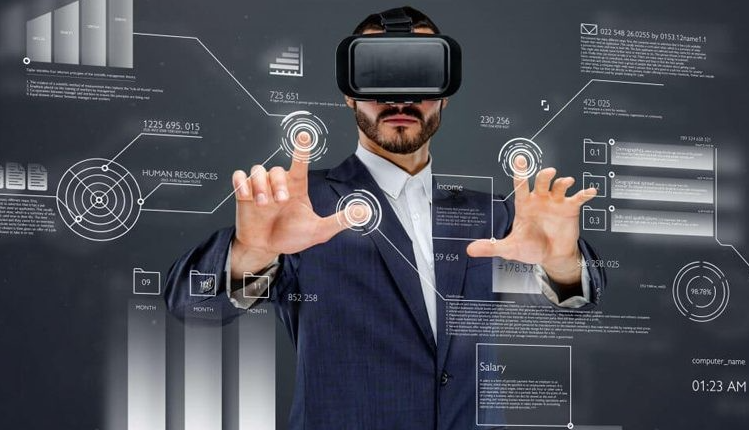
Virtual Reality technology has transformed from a specialized tool into a versatile platform impacting various sectors. It enables users to engage with immersive environments through advanced hardware. This evolution has sparked interest in its applications, ranging from education to healthcare. As industries explore these innovations, questions arise about the future of VR. What potential changes might this technology bring to everyday life and human interaction? Exploring these dimensions reveals a landscape full of possibilities.
The Evolution of Virtual Reality
Over the decades, the evolution of virtual reality (VR) has transformed from a niche technology into a multifaceted tool with applications across various fields.
Key historical milestones, such as the development of head-mounted displays and immersive gaming, showcase significant technological advancements.
These innovations have not only enhanced user experience but also expanded the potential of VR in education, healthcare, and entertainment, fostering a sense of freedom in exploration.
See also: Introduction to Software Development
Essential Components of VR Technology
At the core of virtual reality technology lies a combination of essential components that work in harmony to create immersive experiences.
Head mounted displays deliver visually stunning environments, while motion tracking enables users to interact seamlessly within these spaces.
Together, these elements enhance user engagement and foster a sense of presence, offering unparalleled freedom to explore virtual realms and redefine the boundaries of reality.
Applications of Virtual Reality Across Industries
As industries increasingly recognize the transformative potential of virtual reality, its applications are rapidly expanding across various sectors.
In the entertainment industry, immersive gaming experiences captivate users, while training simulations enhance skills in military and healthcare applications.
Additionally, architects leverage virtual reality for architectural visualization, enabling clients to engage with designs in innovative ways, thus fostering creativity and collaboration across disciplines.
The Future of Virtual Reality and Its Impact
The evolution of virtual reality technology promises to reshape various aspects of daily life, merging the digital and physical realms in unprecedented ways.
Future advancements will cultivate immersive experiences that enhance learning and entertainment while fostering meaningful social interactions.
As VR becomes more accessible, its potential to revolutionize communication, collaboration, and personal well-being will empower individuals to explore new dimensions of freedom and creativity.
Conclusion
In conclusion, virtual reality technology stands at the forefront of innovation, transforming various sectors with its immersive capabilities. Notably, a report from Statista predicts that the global VR market will reach approximately $57.55 billion by 2027, underscoring its burgeoning significance. As VR continues to evolve, its potential to enhance experiences in education, healthcare, and entertainment suggests a future where digital and physical realities increasingly intertwine, fundamentally altering how individuals interact with the world.