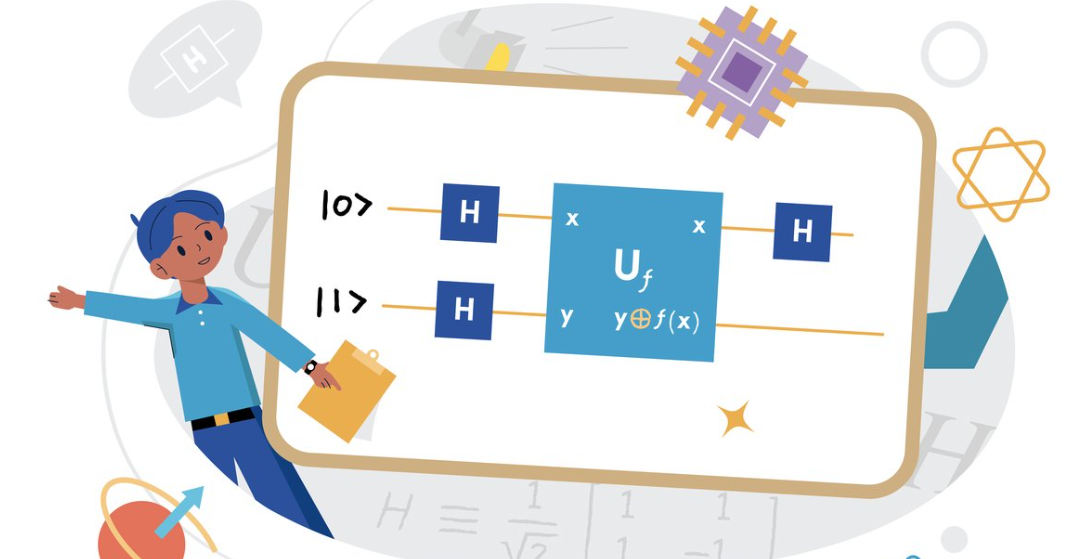
Quantum computing represents a significant paradigm shift in computational technology. It relies on qubits, which exhibit unique properties such as superposition and entanglement. These characteristics enable quantum computers to perform complex calculations that classical systems cannot achieve. The implications of this technology span various sectors, from cryptography to optimization. Understanding these foundational concepts is crucial to grasp the potential future applications and challenges that quantum computing presents. What lies ahead in this evolving field?
Understanding Qubits and Quantum States
At the core of quantum computing lies the qubit, a fundamental unit of quantum information that encapsulates the principles of quantum mechanics.
Qubit coherence is essential for maintaining quantum states, enabling complex calculations.
Quantum measurement, however, poses challenges, as it can collapse the superposition of states, disrupting coherence.
Understanding these dynamics is crucial for harnessing the potential of quantum computing in liberating computational capabilities.
See also: Introduction to Cybersecurity Fundamentals
The Principles of Superposition and Entanglement
Qubits operate under the fundamental principles of superposition and entanglement, which distinguish quantum computing from classical computing.
Superposition allows qubits to exist in multiple states simultaneously, enabling quantum interference.
Entanglement links qubits, leading to correlated states regardless of distance.
These principles also highlight the measurement problem, where observing a qubit collapses its superposition, affecting computation outcomes and reinforcing the unique characteristics of quantum systems.
Quantum Algorithms and Their Applications
While classical algorithms are limited by binary logic, quantum algorithms leverage the unique properties of qubits to solve complex problems more efficiently.
These algorithms demonstrate quantum supremacy by outperforming their classical counterparts in specific tasks, such as factoring large numbers and simulating quantum systems.
Enhanced algorithm efficiency leads to breakthroughs in cryptography, optimization, and machine learning, showcasing the transformative potential of quantum computing technology.
The Future of Quantum Computing and Its Impact on Industries
As industries increasingly recognize the potential of quantum computing, significant advancements are anticipated in various sectors, including finance, healthcare, and logistics.
Quantum supremacy may lead to industry disruption, enabling organizations to solve complex problems at unprecedented speeds. This transformative technology promises to enhance decision-making, optimize supply chains, and revolutionize drug discovery, thereby reshaping competitive landscapes and creating new opportunities for innovation and growth.
Conclusion
In conclusion, quantum computing stands on the brink of a revolutionary leap, poised to unravel mysteries of the universe and obliterate the limitations of classical computation. With its ability to perform calculations at unimaginable speeds and solve problems deemed insurmountable, this technology promises to redefine industries from cryptography to pharmaceuticals. As researchers harness the full potential of qubits, the dawn of a new era in computational prowess is not just imminent; it is inevitable and exhilarating.